Giving citizens and businesses in Iraq a simple way to sign documents online
Twokeyok is Iraq’s national platform for secure digital identities and electronic signatures. It lets citizens and organizations prove who they are and sign official documents from their phone instead of relying on paper, stamps, and in-person visits.
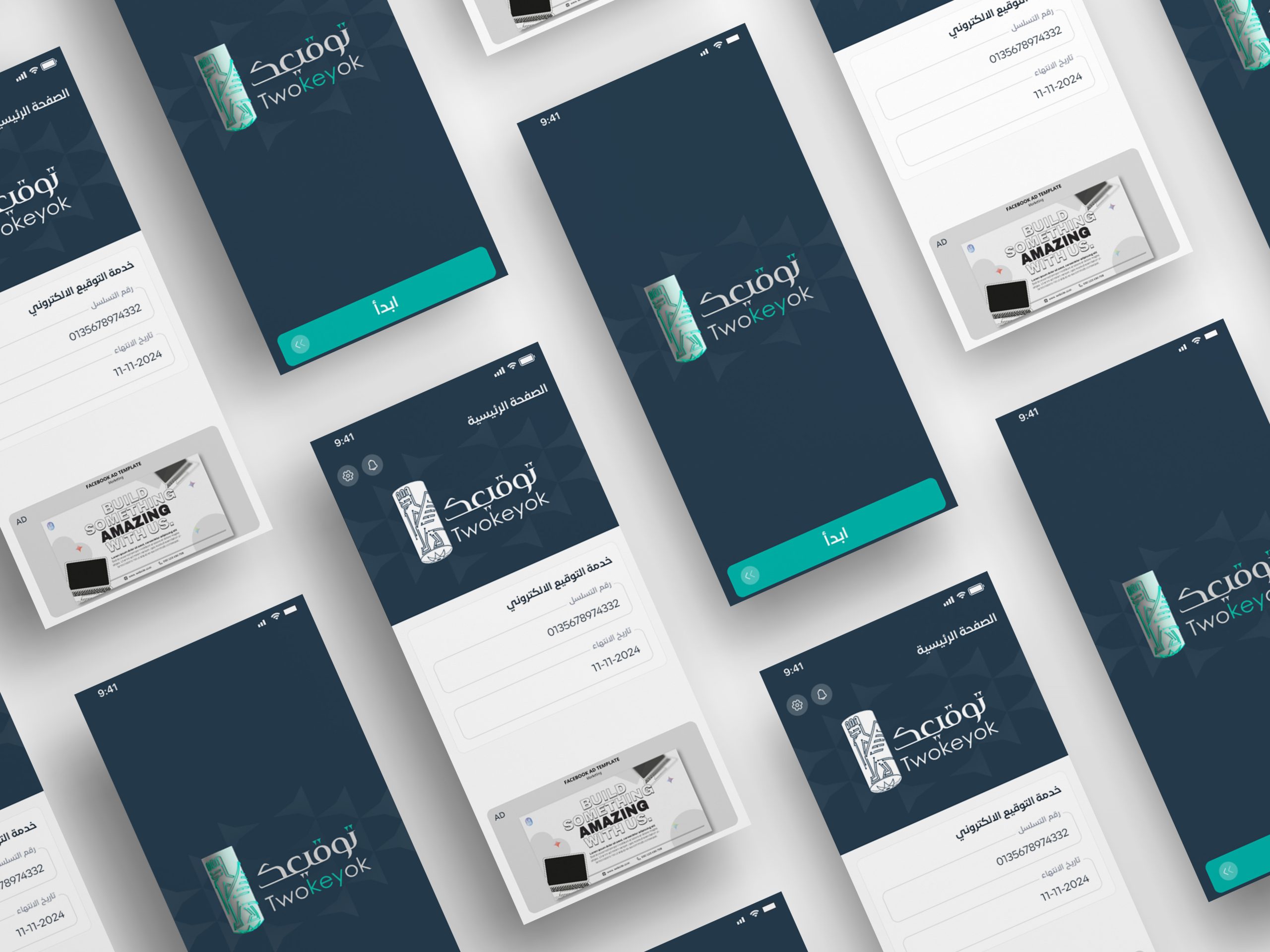
We worked with the team behind Twokeyok to design and build a mobile experience that covers the full journey: creating an account, verifying identity, buying a digital certificate, and applying a secure digital signature. The result is a mobile-first way to complete official agreements that feels clear, safe, and predictable.
The challenge: making official signing simple and secure
Before Twokeyok, many official processes still depended on physical documents, in-person presence, and manual checks. That meant long wait times, repeated visits, and a lot of friction for both citizens and businesses.
At the same time, simply “putting documents online” was not enough. The team needed a way to prove who was signing, prevent misuse, and give people confidence that their signature would be accepted as official. Any solution had to balance strong security with a simple experience for users who may be signing digitally for the first time.
Features
- Mobile application
- IOS and Android
What we set out to build
Our goal was to create one application that handles the full lifecycle of a digital signature for an individual user. From the moment they are invited to sign, they should be able to:
For institutions, the app also needed to fit into existing workflows. Government bodies and businesses had to be able to send signature requests, track status, and rely on Twokeyok as a trusted layer inside their own processes.
Designing a confidential signing experience
We treated Twokeyok as a guided path rather than a collection of screens. A typical first-time user might be opening the app because they received a request to sign an important document, so every step needed to reduce doubt, not increase it.
We focused the experience around a few key steps in the signing journey:
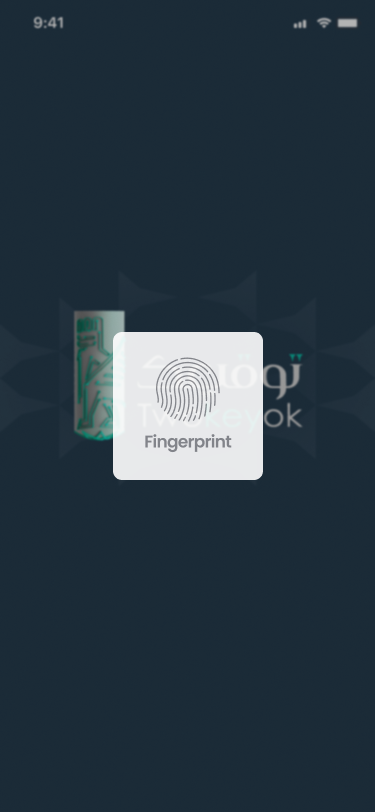
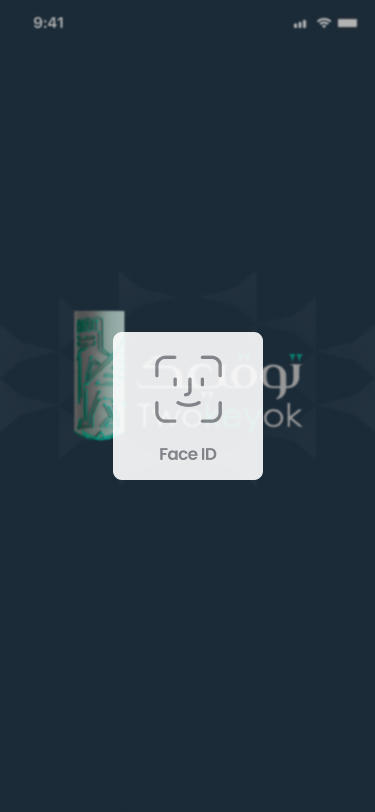
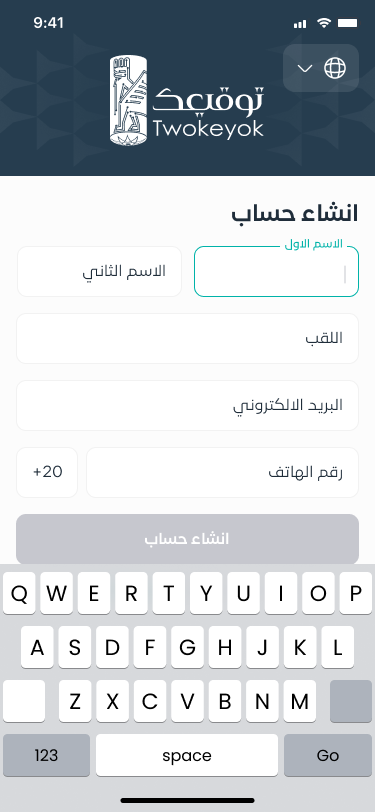
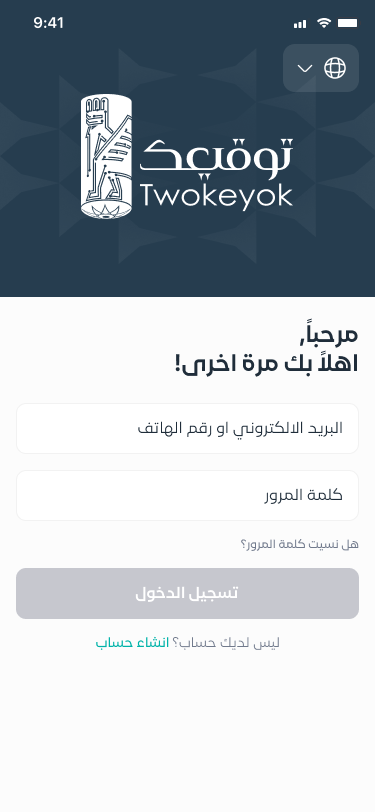
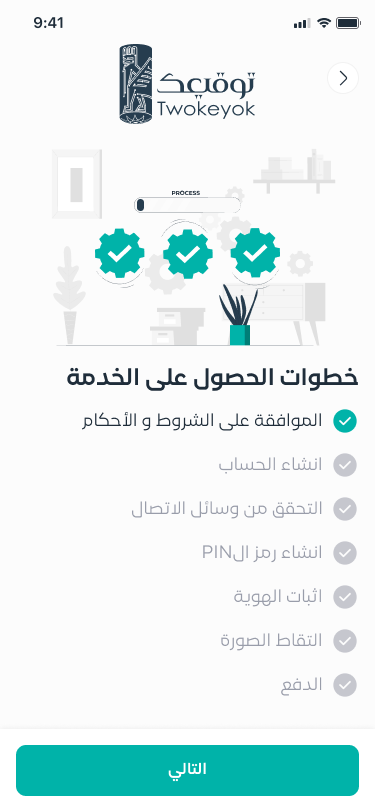
Clear onboarding: Users register with phone or email, then confirm those channels through one-time codes. The app sets a secure PIN and encourages the use of Face ID or fingerprint where available.
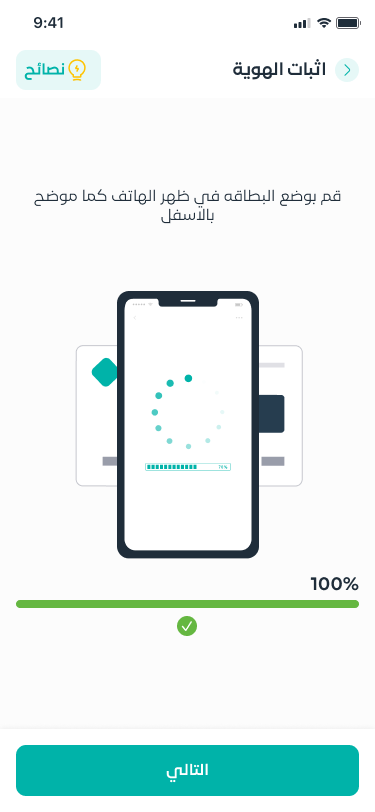
Identity verification inside the app: Users capture photos of their national ID, then take a liveness selfie with simple tips on lighting, framing, and camera setup. The app shows progress as their data is read and reviewed.
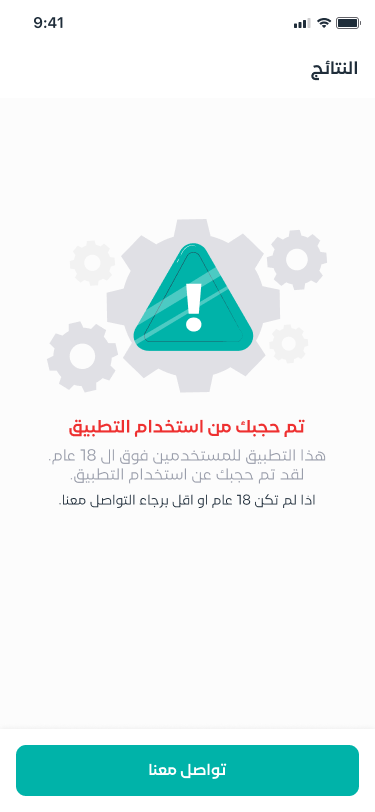
Transparent safeguards: If someone is under 18, the app blocks access and directs them to contact support. If there are repeated failed attempts or suspicious activity, the account is paused and the user sees clear instructions.
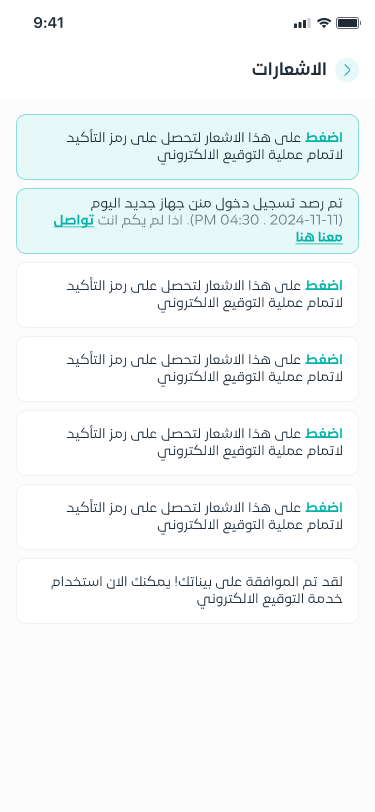
Account control and privacy: Users can change their contact details, request account or service deletion, and see alerts when there is a login from a new device.
Throughout, the focus is on small, readable steps rather than dense forms. Each screen answers a narrow question: what you need to do, why it matters, and what happens next.
What we built in Twokeyok
On top of the experience design, we implemented the core flows that make Twokeyok usable at scale:
This gives Twokeyok a reusable pattern for digital trust: the same foundation can support personal signatures, organizational seals, and other secure services over time.
How it changes day-to-day use
For citizens and businesses in Iraq, Twokeyok turns a complex, paper-based process into a simple digital experience they can use from their phone. People can receive requests, verify their identity, and sign important documents without standing in line.
For institutions, it creates a consistent way to request, track, and validate signatures across many services. Over time, Twokeyok becomes a building block for broader digital transformation, giving the country a local, trusted platform for secure online transactions.